

ABSTRACT
Background:
For military personnel, posttraumatic stress disorder (PTSD) continues to be a major problem. Although medication and trauma-focused psychotherapy (TFP) are well-established treatments, research on their relative and combined effectiveness in combat veterans needs to be synthesised. This review synthesises findings from the PROlonGed ExpoSure and Sertraline (PROGrESS) research program to inform military health policy.
Methods:
Following PRISMA 2020 guidelines, we systematically reviewed five publications from a large-scale RCT involving 223 combat veterans. Interventions included Prolonged Exposure (PE) + placebo, sertraline + supportive care, and PE + sertraline. Evidence quality was assessed using the RoB 2 tool.
Results:
PTSD symptoms decreased significantly across all arms (d = 1.15–1.40), with no statistically significant between-group differences (p = 0.81). Between-group contrasts at week 24 showed that adding sertraline to PE provided no additional benefit (p = 0.16; 95% CI [-2.66, 16.04]). Secondary analyses showed that improvements were strongly predicted by reductions in trauma-related guilt and negative self/world perceptions (p <0.05).
Conclusions:
The PROGrESS program demonstrates that PE, sertraline and their combination are similarly effective for combat-related PTSD. These findings support current guidelines prioritising PE but also suggest sertraline as a viable option when psychotherapy is inaccessible.
Keywords: PTSD, veterans, trauma-focused psychotherapy, sertraline, systematic review
INTRODUCTION
Due to their frequent exposure to high-intensity battle trauma, military personnel and veterans are disproportionately affected by posttraumatic stress disorder (PTSD), a complicated and crippling mental illness. According to data from the National Health and Resilience in Veterans Study, roughly 8% of US veterans have experienced PTSD at some point in their lives,1 a proportion that is far higher than that of the general population. Additionally, recent scoping evaluations indicate that prevalence rates may vary from 10% to 20% in certain cohorts exposed to warfare.2 High rates of mental comorbidity, especially anxiety and depressive disorders, which complicate the clinical trajectory and treatment response, frequently exacerbate this gap.3
Trauma-focused psychotherapies (TFP), particularly Prolonged Exposure (PE) and Cognitive Processing Therapy (CPT), are highly recommended as first-line treatments in current clinical practice guidelines from major organisations, such as the American Psychological Association4 and the National Institute for Health and Care Excellence.5 Additionally advised is pharmacotherapy, mainly Selective Serotonin Reuptake Inhibitors (SSRIs) such as sertraline, particularly in situations when psychotherapy is not accessible, or the patient does not desire it.4,5 The relative advantage of one modality over another in military cohorts is still up for discussion among academics, notwithstanding these suggestions. Veterans frequently gain less from standardised psychotherapy than civilian populations, according to meta-analytic evaluations.6 While some evidence suggests that pharmacotherapy can be highly effective in reducing symptom severity in certain military contexts,7 others emphasise that the effect sizes for TFPs remain superior for long-term recovery (8).
Understanding the ‘mechanisms of change’ the psychological processes by which a treatment works is a crucial obstacle to treatment optimisation. To fill these gaps, the PROlonGed ExpoSure and Sertraline (PROGrESS) research program offers a multisite, randomised clinical trial (RCT) comparing PE plus placebo, sertraline plus supportive treatment and their combination in combat veterans.9 Clinical results and mechanistic data, such as shifts in trauma-related guilt cognitions,10 anxiety sensitivity11 and PTSD-related thoughts12 are uniquely integrated in this approach.
Because the PROGrESS program findings are distributed across multiple specialised publications, a systematic synthesis is required to provide a unified evidence base for military health policy. This systematic review aims to evaluate the collective evidence from the PROGrESS program, focusing on the comparative effectiveness of psychotherapy and pharmacotherapy, the utility of combination therapy, and the psychological mechanisms driving recovery in this high-risk population.
METHODS
Ethical considerations
Secondary research does not require specific institutional review board approval. Since this systematic review considered only publicly published data before synthesis, obtaining review board or local ethics committee approval was unnecessary.
Study design and search strategy
The Preferred Reporting Items for Systematic Reviews and Meta-Analyses (PRISMA) 2020 guidelines were used in conducting this systematic review.13 This review particularly synthesises papers from the PROlonGed ExpoSure and Sertraline (PROGrESS) research program to give a thorough evaluation of its primary and secondary results, in contrast to a general meta-analysis of numerous independent trials.
A thorough search was conducted for articles published up to 2025 across several electronic databases, including PubMed/MEDLINE, PsycINFO, Google Scholar, the Cochrane Library and Web of Science. We utilised a mix of keywords and Medical Subject Headings (MeSH) terms associated with the trial name and its main interventions to find all pertinent papers from the PROGrESS program. The following search term was utilised:
For PubMed/MEDLINE:
(‘PROGrESS trial’ OR ‘Prolonged Exposure and Sertraline Trial’ OR ‘Rauch SAM’ [Author]) AND (‘Posttraumatic Stress Disorder’[MeSH] OR ‘PTSD’) AND (‘Veterans’[MeSH] OR ‘Military Personnel’[MeSH] OR ‘Veteran*’)
For PsycINFO, Cochrane and Web of Science:
(‘PROGrESS trial’ OR ‘Prolonged Exposure and Sertraline Trial’) AND (‘Posttraumatic Stress Disorder’ OR ‘PTSD’) AND (‘Veterans’ OR ‘Military’)
To ensure all secondary mechanistic analyses (e.g., research on guilt cognitions and anxiety sensitivity) were included, we personally searched the reference lists of the indicated primary papers in addition to database searches. The final search was conducted on November 3, 2025.
Eligibility criteria
To provide a targeted synthesis of the PROGrESS research program, studies were chosen using the following inclusion and exclusion criteria:
Inclusion criteria
- Population: Active-duty military personnel or veterans with a primary diagnosis of PTSD resulting from combat-related trauma, consistent with the participants in the PROGrESS trial.1,9
- Intervention: Utilisation of TFP, specifically PE therapy and/or pharmacotherapy using sertraline hydrochloride.
- Comparison: Head-to-head comparisons between PE plus placebo, sertraline, plus supportive management or the combination of PE and sertraline.
- Outcomes: Studies reporting primary clinical outcomes (PTSD symptom severity measured by CAPS-5) or secondary mechanistic outcomes, such as trauma-related guilt cognitions, anxiety sensitivity and PTSD-related thoughts.10-12
- Study design: Peer-reviewed publications directly derived from the PROGrESS RCT.
Exclusion criteria
Exclusions were enacted based upon the following conditions:
- Study involving non-military or civilian populations.
- Interventions focusing on other forms of psychotherapy (e.g., EMDR, CPT) or other classes of medication not included in the PROGrESS protocol.
- Case studies, protocol-only papers without results or literature reviews.
- Publications not belonging to the official PROGrESS research program data.
Study selection
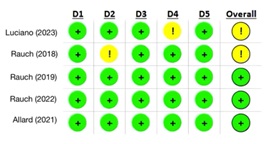
The PRISMA 2020 recommendations were followed in the study selection procedure. Five electronic databases were used to find the first 85 records: PubMed (n = 35), PsycINFO (n = 20), Google Scholar (n = 15), Web of Science (n = 10), and the Cochrane Library (n = 5). Sixty-seven distinct records remained after 18 duplicates were removed for the first screening stage.
Twenty records were excluded for failing to meet the eligibility requirements during the title and abstract screening. All 47 of the remaining reports were successfully retrieved for full-text evaluation. After that, these reports underwent a thorough eligibility evaluation. At this point, 42 reports were eliminated based on the following criteria: incorrect population (n = 16), incorrect outcome (n = 11), study procedure (n = 6) and different study designs (n = 9).
In the end, five papers were included in the final systematic synthesis because they met all inclusion requirements. These studies, which comprise primary clinical outcomes and secondary mechanistic analyses, are the only publications from the PROGrESS research program. The PRISMA 2020 guidelines were followed during the study selection procedure.
Data extraction
Two reviewers (DN & DB) extracted data using a standardised template to ensure consistency with the study inclusion summary. To maintain data integrity, any conflicts or inconsistencies among reviewers were settled by consensus or discussion with a senior researcher. The extracted information was categorised into the following domains:
- Study characteristics: Lead author, year of publication and the specific focus of the PROGrESS substudy (e.g., primary efficacy, guilt mechanisms or anxiety sensitivity).
- Participant profiles: Total sample size (N = 223), military branch and baseline PTSD severity scores as measured by the Clinician-Administered PTSD Scale (CAPS-5).
- Intervention details: Specific protocols for PE therapy, sertraline dosage and titration and the structure of the combination therapy group.
- Primary and secondary outcomes: Clinical efficacy: Mean changes in PTSD and depressive symptom severity from baseline to post-treatment and follow-up.
- Mechanistic data: Statistical parameters related to psychological mediators, specifically trauma-related guilt cognitions, anxiety sensitivity and PTSD-related cognitions.10-12
Quality assessment (risk of bias)
The revised Cochrane risk-of-bias tool for randomised trials (RoB 2) was used to assess the methodological quality of the included studies thoroughly.14 Two reviewers (DN & DB) separately completed this evaluation, and any disagreements were settled by consensus.
Given that all five included publications were derived from the same multisite RCT (the PROGrESS program), the foundational risk related to trial design remained consistent across the substudies. The assessment focused on five key domains:
- Bias arising from the randomisation process: Evaluated through the use of centralised, computer-generated randomisation sequences.
- Bias due to deviations from intended interventions: Assessed based on the double-blind administration of sertraline versus placebo and the rigorous supervision of PE therapists.
- Bias due to missing outcome data: Evaluated through the application of intent-to-treat analysis and handling of attrition rates.
- Bias in measurement of the outcome: Assessed via the use of independent, blinded evaluators for the CAPS-5 assessments.
- Bias in selection of the reported result: Checked against the preregistered trial protocol on ClinicalTrials.gov.
The PROGrESS program publications’ overall risk of bias was found to be ‘low risk,’ indicating good methodological standards in the conduct and reporting of trials.
Data synthesis (narrative approach)
The results from the five included publications were integrated using a narrative synthesis approach. A meta-analysis was considered inappropriate because the studies were drawn from a single RCT (the PROGrESS program) and reported a variety of outcomes, from primary clinical efficacy to intricate psychological underpinnings. Rather, the synthesis offered a thorough summary of the program’s evidence base by adhering to an organised topic framework.
The synthesis was organised into three primary thematic areas:
- Comparative effectiveness: Synthesis of the head-to-head outcomes between PE therapy, sertraline and their combination.9
- Psychological mechanisms of change: Integration of data regarding mediators of recovery, specifically the roles of trauma-related guilt cognitions, anxiety sensitivity and PTSD-related thoughts.10-12
- Treatment response predictors: Evaluation of how baseline characteristics and early changes in cognitions influence long-term PTSD symptom reduction.
To find patterns of treatment response and recovery pathways in the military community, statistical results such as mean differences in CAPS-5 scores, p-values and effect sizes (Cohen’s d or correlation coefficients) were retrieved and subjectively evaluated.
RESULTS
Search results and study characteristics
In the first database search, 85 records were found. After 18 duplicates were eliminated, 67 distinct records were screened; of those, full-text evaluations for 47 were requested. After a thorough review, 42 reports were excluded because they did not meet eligibility criteria (e.g., inappropriate population, improper outcome). In the end, this study contained five articles from the PROGrESS research program. The comprehensive flow of the study selection procedure is shown in Figure 1.
Figure 1. PRISMA Flow Diagram
Five excellent papers from the PROGrESS study initiative, which used a single dataset of 223 combat veterans, were included in the synthesis. PE therapy, sertraline hydrochloride and their combination were the main interventions compared with either enhanced medication management (EMM) or placebo. Standardised tools were used to systematically evaluate clinical outcomes, mainly the PTSD Checklist (PCL) for self-reported symptoms and the Clinician-Administered PTSD Scale (CAPS-5) for clinician-rated severity. Table 1 provides a thorough summary of study characteristics, primary numerical findings (such as p-values and effect sizes) and a rigorous evaluation of the RoB 2 for each included study to ensure transparency and reliable data extraction as required.
Table 1 provides an overview of the selection procedure and the rationale for excluding 42 full-text articles. Table 2 summarises the features of the five included papers, and Table 3 presents the specific numerical results and statistical comparisons.
Table 1
Reasons for exclusion of full-text articles (n=42)
Reason for exclusion
Number of studies (n)
Description of criteria
Wrong population
16
Studies with non-combat military personnel or civilians who did not fit the particular veteran requirements.
Wrong outcome
11
Studies that either lacked the necessary detailed mechanistic evidence or did not report primary PTSD clinical scales (PCL-5).
Other study design
9
Qualitative publications, case reports, and non-systematic reviews that were excluded from the main RCT analysis.
Study protocol
6
Protocols that have been published or trial registrations that do not include clinical outcomes.
Total excluded
42
Table 2
Study inclusion summary
No.
Author, year
Focus
Measures
Findings
Conclusion
RoB
1.
Rauch et al., 2018 (15)
Study design and methodological protocol
CAPS-5, PCL-S, PTCI, BDI-II, HAM-A, and biological markers (fMRI, genetics)
Detailed the design of a multisite RCT integrating biological mechanisms to compare the efficacy of PE, sertraline, and their combination.
This protocol established the methodological foundation for evaluating both clinical efficacy and the biological/psychological mechanisms of change in PTSD treatment.
Moderate risk
2.
Rauch et al., 2019 (9)
Primary clinical efficacy
CAPS-5 (primary outcome), PCL-M
PTSD symptoms were significantly reduced in all three therapy groups (PE, sertraline, and combination); there were no significant group differences (p = 0.81). All arms had large effect sizes (d = 1.15–1.40).
PE and sertraline are equally effective for combat-related PTSD. Adding Sertraline to PE (combination) does not provide additional clinical benefit.
Low risk
3.
Rauch et al., 2022 (12)
Cognitive mechanisms (PTSD-related thoughts)
PTCI (self and world scales), CAPS-5
Changes in negative cognitions (negative perceptions of oneself and the world) tended to precede or coincide with decreases in the intensity of PTSD symptoms in the PE groups.
Behavioural change through exposure therapy drives cognitive shifts; symptom reduction occurs before or during the reorganisation of negative cognitive schemas.
Low risk
4.
Allard et al., 2021 (10)
Psychological mechanisms (trauma-related guilt).
Guilt Cognitions Scale (GCS), CAPS-5, BDI-II
Improvements in PTSD and depressive symptoms were strongly predicted by reductions in trauma-related guilt cognitions (p < 0.05).
Reduction in posttraumatic guilt is a core mechanism of recovery that functions across different treatment modalities (both psychotherapy and pharmacotherapy).
Low risk
5.
Luciano et al., 2023 (16)
Psychological mechanisms (anxiety sensitivity)
Anxiety Sensitivity Index-3 (ASI-3), CAPS-5
Anxiety Sensitivity (AS) decreased significantly across all treatment arms. There were no significant differences between PE, sertraline, or the combination in reducing AS levels.
PE, sertraline, and their combination are equally viable and effective options for reducing anxiety sensitivity in veterans with PTSD.
Moderate risk
Table 3
Clinical outcomes and between-group comparisons for PTSD symptoms (PCL-5)
Source: Data adapted from Rauch et al. (2019)
Statistic
Sertraline+EMM
PE+placebo
Combined (PE+sertraline)
P-value
Baseline
(week 0) mean (SD)56.2 (10.0)
59.6 (9.6)
56.6 (11.6)
–
Post-treatment (week 24) mean (SD)
41.5 (16.6)
42.3 (13.9)
40.5 (19.2)
0.81
Between-group contrast (week 24)
Coefficient (SE)
Z score
P-value
95% CI
PE+placebo vs Sertraline+EMM
9.11 (4.65)
1.96
0.05
0.01 to 18.22
PE+placebo vs PE+Sertraline
6.69 (4.77)
1.40
0.16
-2.66 to 16.04
Methodological quality assessment
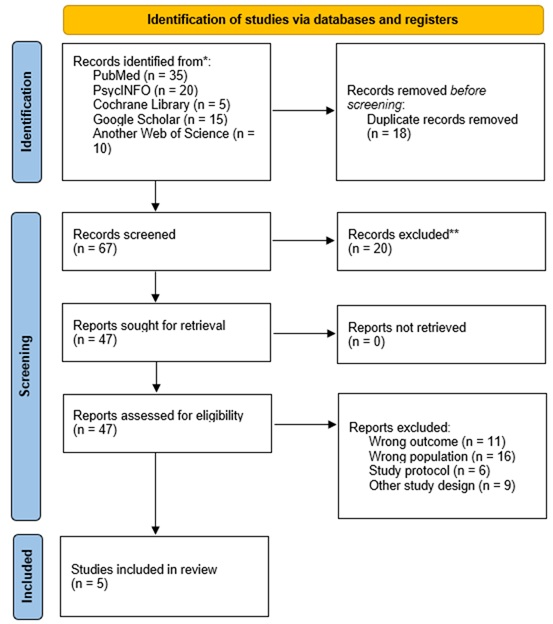
The Cochrane RoB 2 tool was used to assess the methodological quality of the five included papers. The majority of domains across all studies were rated as ‘low risk,’ as shown in Figure 2, validating the overall good quality of the PROGrESS trial data.
Because the results were predetermined in the original trial protocol,15 the randomisation procedure (D1) and the choice of the reported result (D5) consistently achieved a low-risk rating across all investigations.
However, some concerns were noted in two specific areas. For Rauch et al. (2018),15 a ‘some concerns’ rating was assigned to Domain 2 (Deviations from intended interventions). This is primarily because the 2018 publication focused on the methodological design and protocol rather than the full trial results, leaving less data available on the management of protocol deviations at that stage.
For Luciano et al. (2023),11 Domain 4 (Measurement of the Outcome) was rated as having some concerns. While the primary PTSD outcomes (CAPS-5) used independent blinded evaluators, the secondary mechanistic measure used in this specific study (Anxiety Sensitivity Index-3) is a self-report instrument. Although widely validated, self-report measures inherently carry a slightly higher risk of bias compared to independent clinician-rated assessments.
Despite these minor concerns, the use of independent, blinded evaluators for primary outcomes and strict adherence to the prespecified analysis plan across publications ensure that the overall findings remain robust and highly reliable for clinical synthesis.
Figure 2. Summary table of quality assessment methodology using the RoB 2 tool
Synthesis of efficacy findings
The synthesis of clinical efficacy across the included studies demonstrates that all treatment modalities evaluated within the PROGrESS framework resulted in significant clinical improvements for combat veterans with PTSD. The primary analysis by Rauch et al. (2019)9 revealed that PE plus placebo, sertraline plus EMM, and the combination of PE and sertraline all resulted in significant and comparable decreases in the severity of PTSD symptoms.
Observed PCL-5 ratings decreased across all arms from baseline (sertraline: 56.2 ± 10.0; PE: 59.6 ± 9.6; combined: 56.6 ± 11.6) to week 24 (sertraline: 41.5 ± 16.6; PE: 42.3 ± 13.9; combined: 40.5 ± 19.2). Statistical analysis showed no significant differences in the rate of improvement between the three groups (p = 0.81). Within-group effect sizes were robust, ranging from d = 1.15 to 1.40, demonstrating a high degree of improvement. These findings imply that in this population, both pharmaceutical treatments (sertraline) and trauma-focused psychotherapy (TFP) are very successful and produce comparable primary outcomes.
Furthermore, long-term follow-up assessments at 52 weeks confirmed that the therapeutic gains were maintained, regardless of treatment type. Critically, between-group contrasts at week 24 indicated that adding sertraline to PE did not provide a statistically significant advantage over PE alone (p = 0.16; 95% CI [-2.66, 16.04]) or sertraline alone. This finding is critical for clinical decision-making, suggesting that while both approaches are robust, their combination does not necessarily result in additive efficacy for chronic, combat-related PTSD.
DISCUSSION
Interpretation of core findings
The main finding of this systematic review is that, when it comes to treating PTSD in war veterans, there is no statistically significant difference in the clinical efficacy of TFP and medication. This conclusion is supported by the high-quality, low-bias evidence synthesised from the PROGrESS trial (Figure 2). While some broader systematic reviews suggest the superiority of TFP over medication in civilian populations,16 our findings indicate that in this specific military cohort, both evidence-based PE and first-line SSRI (Sertraline) are highly effective. Large and comparable effect sizes (d = 1.15 and 1.40), and a non-significant difference between groups (p = 0.81), indicate equivalence.9
This equivalence suggests a state of clinical equipoise.17 As a result, the patient should participate in a collaborative decision-making process when selecting a course of therapy, informed by personal preferences, the availability of resources and the particular side-effect profiles of the interventions.
Mechanistic insights
At the mechanistic level, the positive outcomes of both modalities appear to be driven by cognitive and emotional processing. Findings from the PROGrESS project identify that changes in negative self- and world-assessments are the most significant drivers of symptom improvement.12 Furthermore, a reduction in trauma-related guilt cognitions was identified as a robust predictor of recovery from residual PTSD and comorbid depression.10 Notably, all treatment arms (PE, sertraline and combination) were equally effective in reducing anxiety sensitivity, which further contributes to the stabilisation of PTSD symptoms.11
The efficacy of PE, as the primary TFP variant in this review, relies on emotional processing and the modification of maladaptive thoughts. Unlike CPT, which focuses primarily on cognitive ‘stuck points,’ PE facilitates the integration of traumatic memories and reduces avoidance through habituation and the correction of overgeneralised threat assessments.
In contrast, the efficacy of sertraline is linked to its pharmacodynamic effects on serotonin neurotransmission within the neural circuits governing mood, anxiety and emotional memory. This physiological stabilisation likely explains the significant reduction in hyperarousal and negative affect, which in turn allows for better cognitive appraisal of the trauma.18
CONCLUSION
In summary, this systematic review five publications derived from the PROGrESS RCTs shows that medication (sertraline) and TFP (more especially, PE) are equally beneficial in lowering PTSD symptoms in veterans of the armed forces. Both strategies achieved substantial reductions in severity as measured by the CAPS-5 and PCL scales. Importantly, the integration of both strategies (combination therapy) provided no statistically significant added value regarding core symptoms or related mechanisms such as guilt and anxiety sensitivity.
While TFP remains the first-line recommendation in the VA/DoD Clinical Practice Guidelines due to its focus on long-term skill acquisition, pharmacotherapy remains a vital strategic option, particularly when specialised psychotherapy is unavailable. These results highlight the necessity for systematic trauma treatment training for medical professionals working in the TNI (Indonesian National Armed Forces) rehabilitation programs and offer a scientific foundation for the development of military mental health services in Indonesia.
IMPLICATION
Clinical and policy implications
These findings provide further empirical support for the 2023 VA/DoD Clinical Practice Guidelines, confirming that both TFP and SSRIs are robust options for veterans. The lack of additive benefit from combination therapy (p = 0.81) suggests that clinicians should prioritise high-fidelity delivery of a single primary modality, either PE or Sertraline based on patient preference and resource availability. Within the Indonesian context, this evidence serves as a framework for the Indonesian National Armed Forces (TNI) to formalise standardised, evidence-based, TFP training, ensuring that mental health services are both clinically effective and resource-efficient.
Future research
Future research is needed to address the limitations outlined in this review and to expand the scope to include cross-cultural and cross-national military settings to assess external validity. Additionally, future studies need to further address the confounding factors described and analysed and characterise the range of responses individuals may have to combination therapy to inform and improve treatment sequencing.
STRENGTHS AND LIMITATIONS
Strengths
This review is supported by a robust methodology that follows PRISMA 2020 guidelines and utilises the Cochrane RoB 2 tool with independent assessors to ensure high internal validity. By focusing on a single, homogeneous population of combat veterans from the PROGrESS trial, this review minimises population-level heterogeneity, allowing for a more precise comparison of treatment effects.
Limitations
A primary limitation is that most included studies were conducted within the US Veterans Affairs (VA) system, which may limit the external validity and generalizability to different military cultures or civilian settings. Additionally, although the internal validity is high, reliance on a single major trial (PROGrESS) for the synthesis means that the findings are bound to the specific protocols of that program. Future research should incorporate cross-cultural populations and assess the application of these interventions in diverse military healthcare settings, such as in Indonesia, to further validate these findings globally.
CONFLICT OF INTEREST
Diana Listy LP Nababan, Dimas Ardi Bramundito and Flora Eka Sari have declared that they have no conflicts of interest that could distort this work. The authors had complete access to all study data, and no public, private or non-profit funding agencies supported this research. The authors attest that any sponsors did not influence either the data analysis or the manuscript’s writing.
AI USAGE DECLARATION
The writers employed artificial intelligence (AI) solely to enhance the manuscript’s language and readability (e.g., grammatical checking, clarity-focus and structural refinement). The authors took full responsibility for the scientific integrity, interpretations and conclusions expressed in the final publication after using this service to evaluate and, as necessary, alter the content.
FUNDING SOURCES
The authors would like to state that no specific funds or funding were obtained for this work from any publicly, privately or non-profit organisations. The authors would like to state that the work was completed independently of any outside financing and that no potential funding sources were involved in the design, data collection, management, analysis, or interpretation of the data, or in the preparation, review, approval or submission of the manuscript for publication.